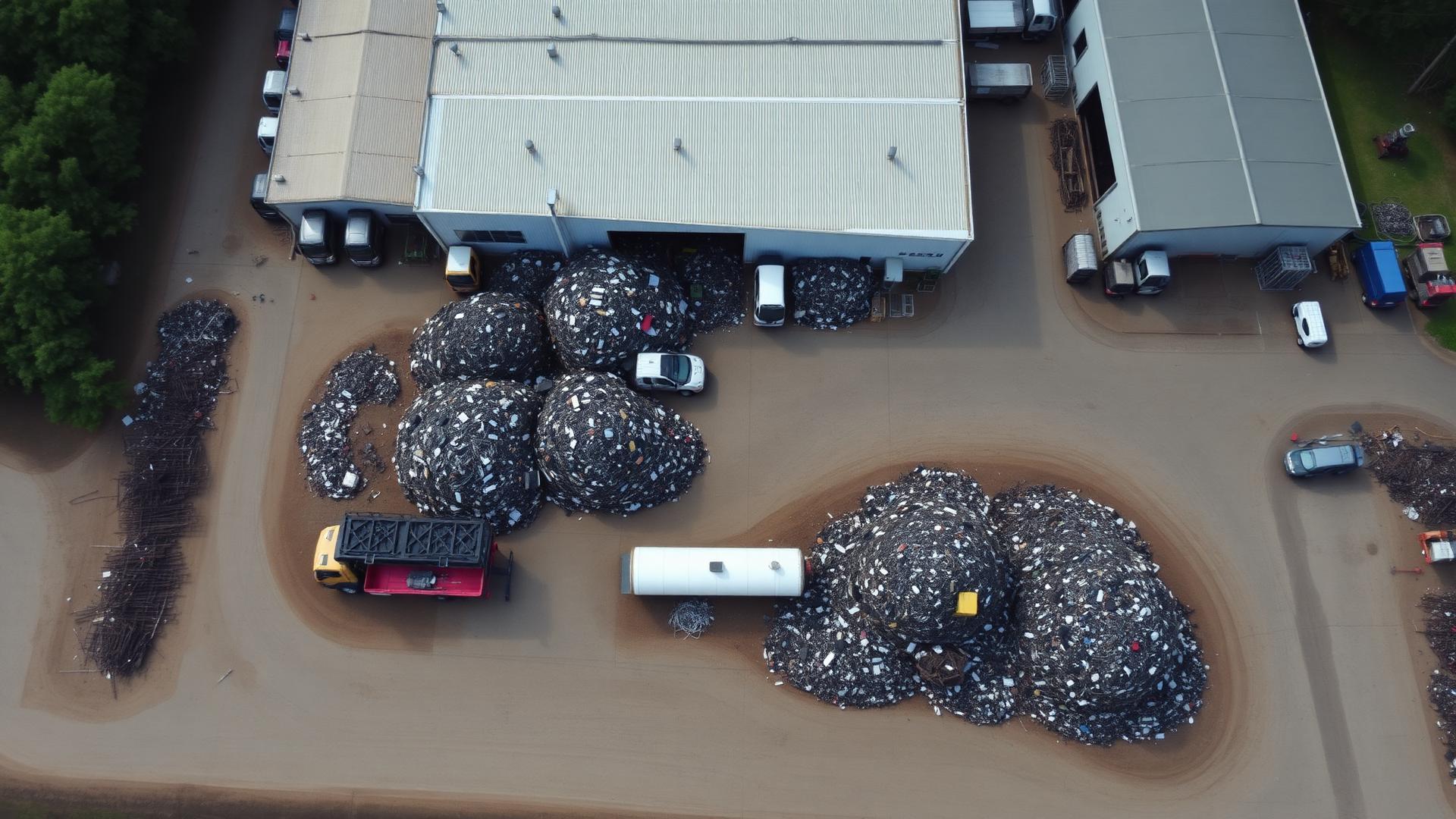
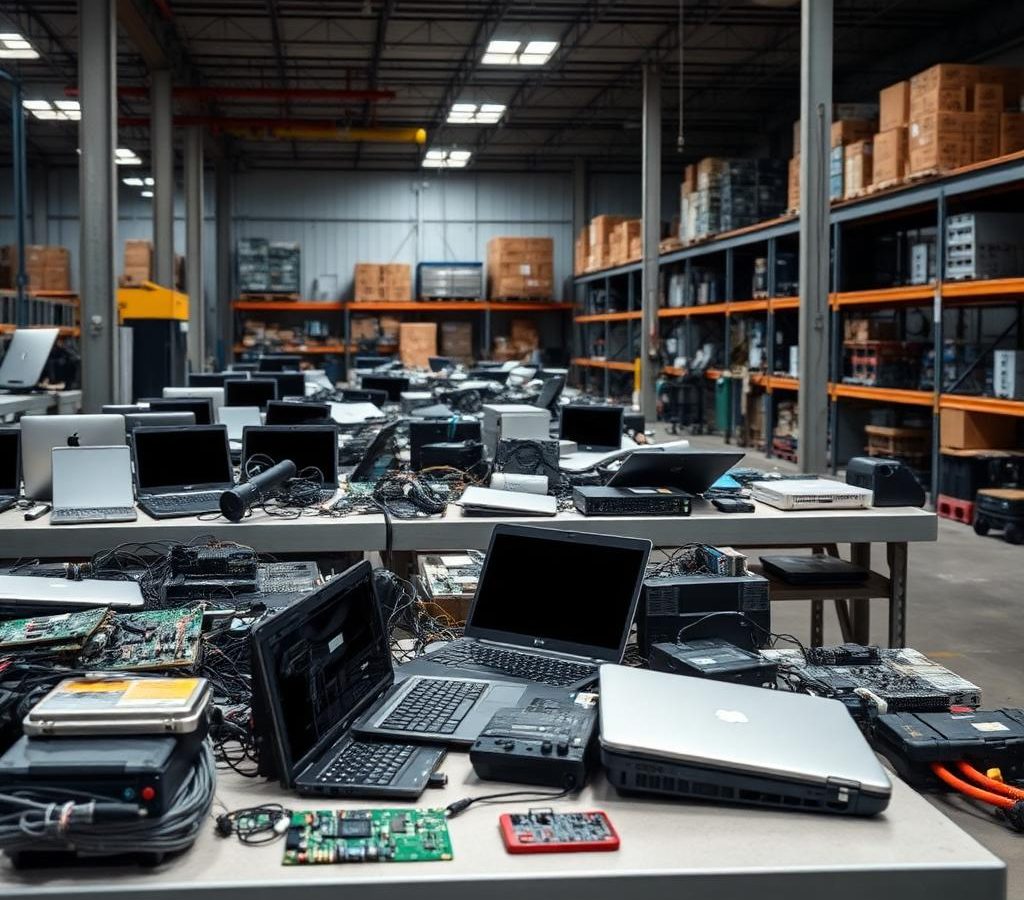
It’s easy to think of recycling as just ‘not landfilling’ something — but for metal specifically, the bigger win is energy. Producing metal from recycled scrap uses dramatically less energy than mining and refining raw ore.
1. Less mining, less land disruption
Every ton of scrap metal reused is a ton that doesn’t need to be freshly mined, which means less land disturbance and less water used in extraction.
2. Lower smelting energy
Melting down existing metal takes a fraction of the energy needed to refine raw ore into usable material — this is where most of the carbon savings actually come from.
3. Reduced transport emissions
Sourcing scrap locally cuts down on the long shipping routes often required to move raw ore from mine to refinery to manufacturer.
4. Less waste sent to landfill
Metal doesn’t break down in a landfill — recycling it keeps it circulating instead of sitting there indefinitely.
5. It supports local jobs
Sorting, processing, and redistributing scrap metal keeps the entire supply chain — and the jobs that come with it — closer to home.